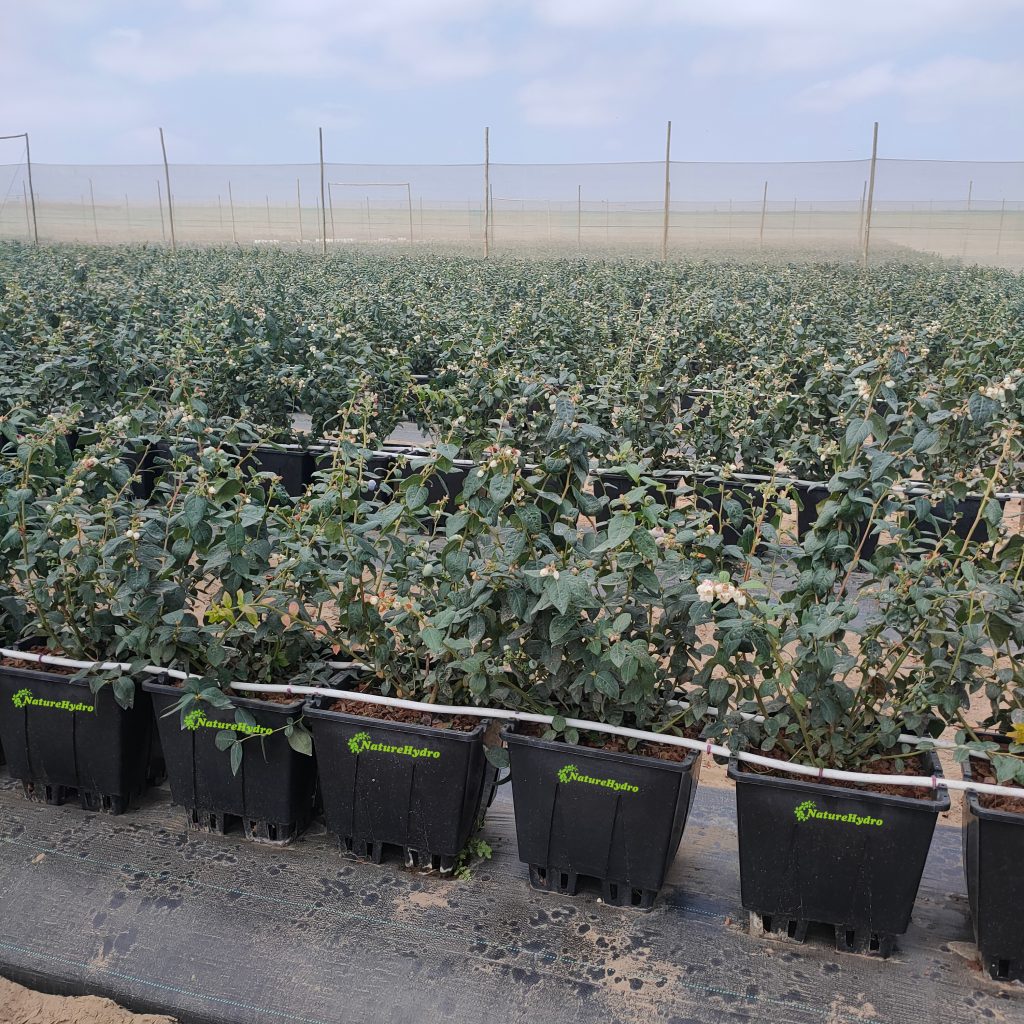
Black Plastic Plant Pots – In the highly competitive arena of modern industrial agriculture, large-scale commercial cultivation has largely shifted away from traditional open-field soil planting toward high-density, precision substrate container cultivation. While automated greenhouse climate control systems, imported growing mediums, and data-driven drip irrigation loops frequently capture the spotlight, the underground growing vessel quietly dictates the ultimate success of the crop. High-performance black plastic plant pots serve as the foundational physical infrastructure that shapes root architecture, balances macro-pore fluid dynamics, and safeguards long-term farm profitability.
Choosing commercial-grade containers is not a minor procurement choice; it is a vital agronomic and financial decision that reverberates through several harvest cycles. A structurally robust and chemically optimized container manages the precise micro-environment of the root zone, protects plants from ambient environmental stress, and directly influences the operational efficiency of automated farm supply chains.
1. Why Commercial Black Plastic Plant Pots Regulate the Root Zone
Controlling Thermal Dynamics in Early Development
The root system acts as the primary physiological engine of the plant, and temperature serves as the main catalyst for its metabolic and cellular activities. During early spring planting or the initial cycles inside large-scale commercial greenhouses, cold substrate temperatures frequently create a major bottleneck that stalls crop establishment. Due to fundamental thermodynamic laws, dark surfaces exhibit exceptional light-and-heat absorption efficiency compared to lighter materials.
When sunlight or overhead artificial grow lights strike the exterior surface of a dark container, the material rapidly captures this radiative energy and converts it into uniform thermal energy. This warmth gently conducts inward throughout the surrounding growing medium. In commercial agribusiness, this subtle root-zone warming effect accelerates early root elongation and drastically improves the metabolic uptake of essential minerals. For the farm operator, this thermodynamic advantage translates directly into a shorter vegetative turnaround time, exceptional crop uniformity across thousands of lines, and a faster pathway to market monetization.
Protecting Delicate Root Systems From Light Exposure
Plant roots possess a strong biological trait known as negative phototropism, which programs root tips to grow directly away from any light source. If a farm deploys standard, low-cost, or semi-transparent containers, ambient light penetrates the container walls and reaches the internal substrate. This exposure forces active, tender feeder roots away from the perimeter, or worse, degrades and kills the young root cells through photo-oxidation.
Furthermore, a translucent container environment allows light to react with the warm, humid moisture on the substrate edge, creating an ideal breeding ground for invasive green algae and mosses. These primitive organisms rapidly consume the oxygen and nutrients meant for the crop while creating a hospitable environment for harmful bacterial colonies. Pure black containers establish an absolute physical light barrier, creating a totally dark underground zone that preserves the physiological vitality of the entire root system.
2. Engineering Better Root Architecture with Black Plastic Plant Pots
Eradicating the Structural Defect of Root Circling
Within the confined boundaries of a growing container, providing darkness and warmth is only half the battle. When plant roots expand outward and encounter a smooth, unyielding plastic barrier, they face a critical geometric constraint. In traditional round pots with smooth inner walls, root tips hit the perimeter and begin to circle the container continuously, leading to a severe condition known as root binding or circling.
Over an extended production cycle, this circling behavior creates a dense, woody mass of overlapping roots around the outer edge of the pot. This matrix chokes off essential nutrient transport pathways and leaves the vast majority of the interior substrate completely unutilized. This structural defect stalls crop development, lowers disease resistance, and limits final fruit size, preventing high-value commercial crops from reaching their genetic yield potential.
Maximizing Fibrous Feeder Root Production Through Geometry
To shatter this geometric constraint, modern commercial container manufacturing introduces targeted architectural modifications inside the vessel. Advanced containers utilize vertical root-directing ridges, stepped sidewalls, and non-traditional shapes to actively manage root navigation. For commercial operators seeking maximum high-density space efficiency on greenhouse benches or ground covers, migrating to professional square plastic plant pots provides an ideal geometric solution.
Square containers naturally eliminate the dead air space that inevitably occurs between rows of traditional round pots, instantly boosting floor space utilization by up to 20%. More importantly, the flat sides and corners of a square pot act as natural channels that guide expanding roots straight downward toward the base. When the root tips reach the engineered drainage slots at the bottom, they encounter localized air pruning. This exposure dries the tip, stopping its linear growth and triggering a massive hormonal response throughout the plant. The crop responds by generating thousands of highly active, white, fibrous feeder roots within the core of the growing medium, maximizing nutrient processing capacity.
3. Maintaining Micro-Hydraulic Balance in Container Systems
Eliminating the Danger of the Perched Water Table
High-frequency automated drip irrigation delivers precise water and fertilizer mixes, but it demands a flawless container drainage system to avoid soil saturation. When excess water moves downward through the substrate, it must exit the vessel freely so fresh oxygen can fill the large macro-pores of the medium. However, flat-bottomed containers often create a capillary seal when placed directly on flat greenhouse floors, concrete, or landscape fabric.
This tight seal disrupts the natural surface tension of the escaping water, trapping a heavy layer of saturated moisture at the base of the pot, an agronomic flaw known as a perched water table. This stagnant water zone drives out all dissolved oxygen. Without oxygen, root cells cannot perform basic cellular respiration, causing them to drown, suffocate, and rot. Furthermore, an anaerobic, waterlogged pot base acts as a primary incubator for destructive water molds like Pythium and Phytophthora, which can quickly spread through an entire irrigation zone and ruin a harvest.
Elevating Fluid Dynamics With Advanced Container Bases
Commercial-grade black plastic plant pots solve this hydraulic bottleneck by implementing raised cross-bottom drainage configurations and elevated corner legs. This engineering physically lifts the substrate base off the underlying ground, establishing a continuous, unobstructed air gap that breaks the capillary pull.
When irrigation cycles run, excess water moves downward and exits the container instantly without resistance. As gravity pulls the old water out, it creates a vacuum effect that pulls fresh, oxygen-rich air back down into the upper layers of the substrate. This continuous hydraulic breathing cycle prevents water stagnation, safeguards the root zone against root rot pathogens, and maintains an optimal air-to-water ratio for continuous plant growth.
4. Polymer Science and Asset Durability for Global Growers
Resisting Solar UV Degradation in Open Fields
From the perspective of commercial farm finance, purchasing tens of thousands of growing pots represents a long-term capital investment that must depreciate steadily over multiple production seasons. Agricultural equipment must endure intense, open-field ultraviolet (UV) radiation, which acts as a severe chemical degrader of standard consumer plastics. Unprotected polymers quickly suffer from photo-oxidative degradation under solar radiation, breaking the molecular bonds and leaving the plastic brittle, faded, and prone to cracking.
To combat this environmental stress, industrial-grade black plastic plant pots are manufactured from high-purity polypropylene (PP) or high-density polyethylene (HDPE) deeply compounded with professional carbon black and hindered amine light stabilizers (HALS). Carbon black serves as an exceptionally efficient, cost-effective UV absorber, intercepting destructive wavelengths on the outer surface and converting them into harmless thermal energy. This advanced polymer formulation maintains the structural integrity of the container over years of intense, multi-season exposure to UV rays, freezing winter temperatures, and harsh farm heat.
Engineering Mechanical Toughness for Automated Systems
Modern commercial farming heavily relies on mechanical automation, forklifts, and high-speed potting lines to manage labor costs. Growing vessels are subjected to intense physical forces during transport, machine handling, and automated substrate filling. To prevent shattering, commercial-grade pots integrate high-molecular synthetic rubber composites directly into the base polymer matrix.
This rubber modification introduces a microscopic network of flexible zones within the rigid plastic structure, allowing the container to absorb heavy impacts, drops, and mechanical pressure without cracking. Furthermore, this resilient polymer blend easily withstands the chemical exposure of commercial fertilizers, sanitizing agents, and natural organic fruit acids. The rugged construction ensures the container can pass through automated high-pressure hot-water washing systems repeatedly, allowing for safe sterilization and multiple crop rotations over many years.
5. Streamlining Supply Chain Logistics and Farm Operations
Optimizing Inbound Freight and Warehouse Storage
Before a commercial growing season begins, massive quantities of empty containers must move through international maritime lanes, truck routes, and warehouse facilities. Poorly designed pots frequently jam or stick together when stacked tightly, consuming excessive warehouse space and increasing logistics costs. Industrial-grade black plastic plant pots are engineered with precise nesting angles and built-in anti-jamming tabs along the upper rim or sidewalls.
This architectural detail ensures that the pots can nest deeply together, maximizing the packing density per shipping pallet and reducing inbound freight expenditures. Even under the extreme vertical weight of a fully loaded pallet, the anti-jamming tabs maintain a minor, uniform air gap between each nested layer. This gap prevents the development of a vacuum seal, ensuring optimal warehouse storage efficiency.
Ensuring Rapid Field Separation and Labor Efficiency
During the high-stress planting window, maximizing labor efficiency is a top priority for farm managers. If containers stick together due to a vacuum seal or poor nesting design, field laborers must waste time pulling them apart, which slows down production and increases the risk of damaging the rims.
The engineered anti-jamming tabs on professional containers ensure that automated potting machinery or manual field crews can separate nested pots smoothly and instantaneously. The containers feed into high-speed automation lines without jamming, preventing downtime and keeping large-scale transplanting schedules running on time. Minimizing these minor friction points in field logistics allows commercial operations to scale up production while keeping seasonal labor costs under control.
Conclusion: Securing Your Agricultural Investment
In the modern landscape of corporate agribusiness and industrial farming, long-term success requires precise control over every input, variable, and asset lifecycle across the supply chain. High-performance black plastic plant pots provide commercial farms with a stable, predictable foundation for underground crop management. By shielding vulnerable roots from harmful light stress, encouraging highly active fibrous root networks, ensuring rapid water drainage, and offering industrial-grade polymer durability, these engineered pots protect both biological growth and capital investments for long-term agribusiness profitability.
More information about commercial berry farming please visit Commercialberryfarming.